
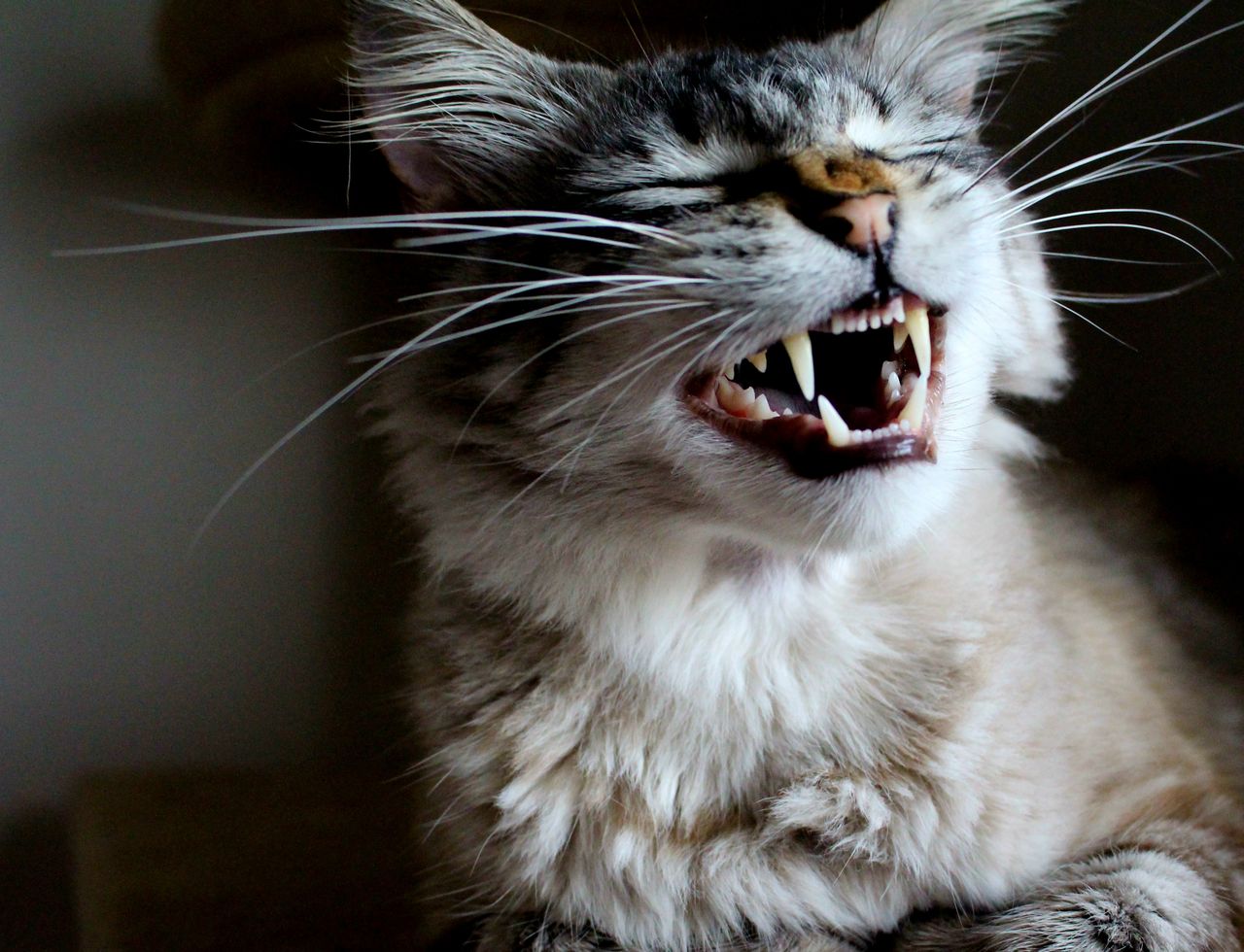
It took me little effort to observe the first cat sneeze. Indeed, my pet sneezed only once while being seated with me. Obviously, I thought that it was simply dust in my pet’s nose. But after the next day, my cat began sneezing quite often.
Since being an owner of a cat, it is necessary to be aware of any changes in the pet’s behavior. In this way, being an owner of a cat, just like any other cat owners, I turned to the Internet to find out the reasons for such sneezes. I found out that one single cat sneeze means nothing, but frequent ones can signal some sort of respiratory disease, teeth problems, or even allergy of the cat.
This paper will tell you about the main causes of cat sneezing, the symptoms which must not be overlooked, the time for visiting a veterinarian, and what to do at home.
What Causes Cats to Sneeze?
Bacterial Infection
- Cat Flu: This is a highly infectious disease which is caused by virus leading to sneezing, watering of eyes, runny nose and fever.
- Allergies: Allergies to pollen, mold, dust mites or some household products can lead to sneezing.
- Dust, Smoke and Other Irritants: Some cats may become allergic to cigarette smoke, perfumes, air fresheners, cleaning products or dusty environments.
- Foreign Objects in the Nose: Some foreign objects such as a grass seed might get lodged in the nose of the cat causing sneezing.
- Dental Disease: In cases of dental diseases, the infections can spread from the mouth to the nose of the cat causing sneezing.
- Fungal Infection: This is not very common but any fungal infection in the nose of the cat can lead to sneezing.
- Nasal Polyps and Tumors: Any growth inside the nose of the cat can cause sneezing, discharges from nose and sometimes nosebleed.
When Is Cat Sneezing Normal?
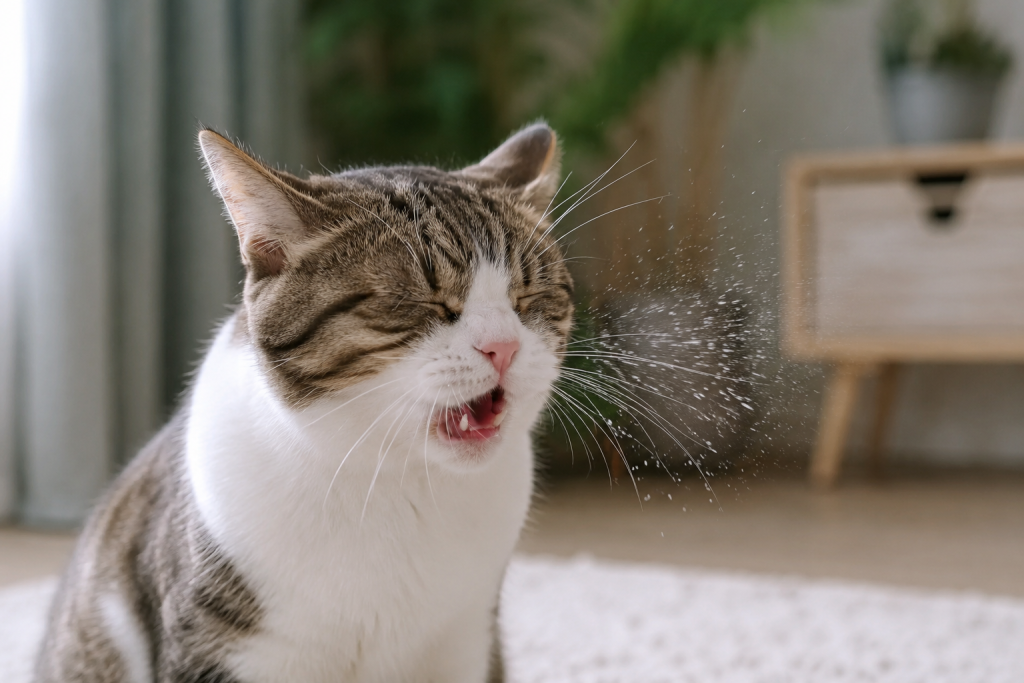
Occasional Sneezing is Okay:
- Light Causes: It could range from dust to pollen, dry air or any strong smell that can irritate the nostrils of your pet leading to sneezing.
- No Other Symptoms: The animal will still play and even eat and drink without a challenge; thus, there is nothing much to worry about when occasional sneezing occurs.
- Sneezing Lasts for a Short Time Period: This is where the sneezing begins but ends very quickly on its own.
- Sneezing after Exploration: When your cat explores the environment, it may sneeze since its nose is highly sensitive.
- Good Health State: This means that the animal will have no discharge from its eyes or nostrils, no difficulty breathing and high energy levels.
When Should You Worry About Your Cat Sneezing?
Frequent Sneezing: If you observe that your cat is sneezing frequently or if sneezing persists for 2–3 days or even more, then most likely something wrong is going on.
• Coloured/ Bloody Mucus: All the discharges from the nasal passage that are yellow, green, brown or bloody need veterinary attention.
• Watering/Swelling of Eyes: Redness of the eyes accompanied by watering and swelling along with sneezing points out towards a respiratory disease.
• Loss of Interest in Eating: If your cat is not eating food and drinking water anymore, you need to rush to your vet immediately.
• Difficulty in Breathing: Take your pet to the veterinarian if it shows signs of wheezing and laboured breathing.
• Sneezing Along with Coughing & Fever: If your cat is sneezing along with fever and coughing then seek medical advice of your vet.
• Changes in Behavior: Hiding, excessive sleeping and less activity are alarming behavior for your pet.
• Young Pets/ Kittens/ Cats Suffering from Diseases: They have low immunity level and cannot be ignored.
How to Prevent Cat Sneezing

• Maintain a Clean House: Make sure that you get rid of any dust, pet hair, and anything else which can irritate the nose of your cat.
• Stay Away From Pungent Odors: You should stay clear from your cat of cigarette smoke, perfumes, air fresheners, scented candles, and strong household chemicals.
• Keep Your Cat Up To Date with Vaccinations: Getting vaccinations is crucial because it helps your cat to stay away from any common respiratory infections, such as cat flu.
• Cat Oral Hygiene: Make sure that you brush your cat’s teeth regularly.
• Give Your Cat Adequate Amount of Water: This is necessary in order to keep your cat hydrated.
• Do Not Let Your Cats Come into Contact: In case of having several cats at home, do not let them come into contact if one of them is sick.
• Make Sure that Your House Has Ventilation: This will bring some fresh air into your house.
• Have Regular Checkups for Your Cat: This will allow to know what problem might escalate and become serious.
• Pay Attention to Any Changes in Behavior of Your Cat: You should take action right away if your cat begins
Conclusion
If you’ve been wondering, “Why is my cat sneezing?”, the answer depends on how often it happens and whether other symptoms are present. An occasional sneeze is usually harmless and may simply be caused by dust, strong smells, or a mild irritation. However, frequent sneezing, especially when accompanied by nasal discharge, watery eyes, coughing, loss of appetite, or tiredness, could be a sign of an infection, allergies, or another health problem that requires veterinary attention.
The best approach is to observe your cat’s behavior, keep its environment clean, and never ignore persistent symptoms. Early care can prevent minor issues from becoming serious health conditions. When in doubt, consult your veterinarian to ensure your cat stays healthy, comfortable, and happy.

Comments