
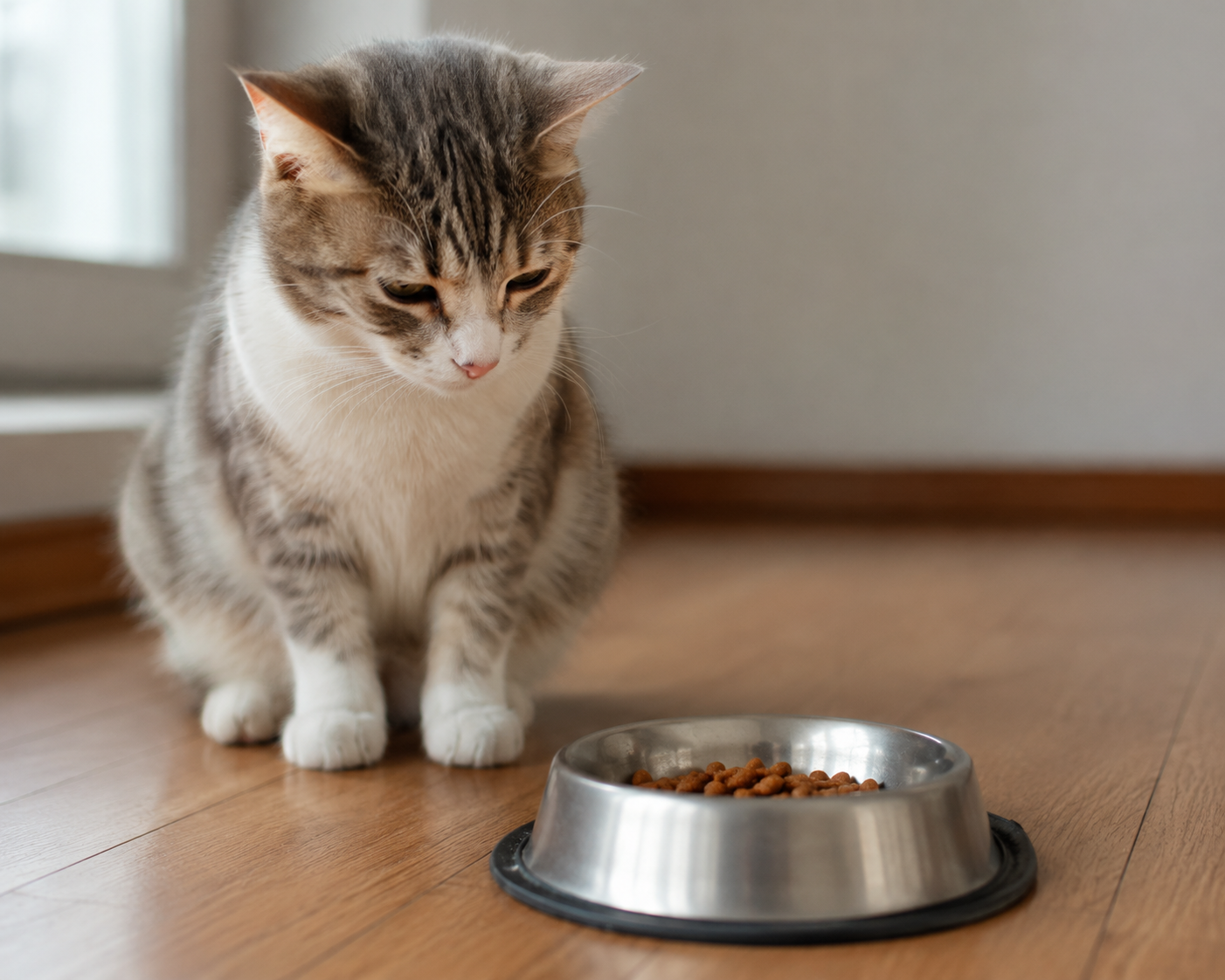
A few days ago, I noticed something unusual about my cat. She normally gets excited when I put food in her bowl, but this time she simply looked at it and walked away. At first, I thought she just wasn’t hungry, so I didn’t pay much attention. But when she refused to eat again later, I started wondering, why is my cat not eating?
I tried giving her some of her favorite food, hoping that she would eat at least a little. However, she still showed very little interest in food. This made me realize that a cat not eating can happen for many different reasons. Stress, a sudden change in food, dental problems, stomach issues, or other health problems can sometimes affect a cat’s appetite.
If you are also asking, “Why is my cat not eating?”, you are not alone. Many cat owners notice this behavior and immediately become worried. A temporary change in appetite may not always mean something serious, but it is important to pay attention to other signs and how long your cat has stopped eating.
In this article, I’ll share the common reasons why cats stop eating, the signs you should watch for, and some simple things you can try at home. I’ll also explain when a cat’s loss of appetite may need professional veterinary attention.
Is It Normal for a Cat to Stop Eating?
When your cat suddenly stops eating, it’s easy to feel worried. Cats can sometimes lose interest in food for a short time because of a small change in their routine, but refusing food can also be a sign that something is bothering them. That’s why it’s important to look at the situation carefully instead of simply waiting and hoping your cat starts eating again.
Sometimes, the reason can be quite simple. Your cat may not like a new brand or flavor of food, or they may feel stressed because of a new person, pet, environment, or change in their daily routine. However, health-related problems can also affect a cat’s appetite. Dental pain, stomach problems, infections, and other illnesses may make eating uncomfortable or difficult.
A few things you can check when your cat is not eating include:
- How long has your cat stopped eating? A longer loss of appetite deserves more attention.
- Is your cat drinking water? Not drinking along with not eating can be more concerning.
- Is your cat acting differently? Hiding, sleeping much more than usual, or seeming weak can be important signs.
- Are there other symptoms? Vomiting, diarrhea, coughing, difficulty breathing, or changes in bathroom habits may point to an underlying problem.
- Has anything changed recently? Think about new food, a different feeding bowl, moving house, visitors, or other changes that could have caused stress.
The most important thing is not to ignore a sudden change in your cat’s eating habits. If your cat refuses food for an extended period, seems very unwell, or has other worrying symptoms, it’s best to contact a veterinarian. Cats can become seriously affected when they go without food for too long, so paying attention early can help you get the right support when it is needed.
If you’re also curious about other changes in your pet’s eating habits, you may find our guides on Why Is My Dog Eating Grass? and Why Is My Cat Eating Grass? helpful. These articles explain some common reasons behind this behavior and what pet owners should look out for.
10 Common Reasons Why Your Cat Is Not Eating
According to Dr. Carolyn McDaniel, VMD, a veterinarian and lecturer at Cornell University College of Veterinary Medicine, a cat’s loss of appetite can have many different causes, including health problems, dental issues, changes in food, and stress. She explains that when a cat stops eating, it is important to look for the underlying reason rather than simply assuming the cat is being picky.
1. Change in Food
Dr. Carolyn McDaniel, VMD, explains that some cats may lose their appetite because they dislike a new food. Cats can be very particular about taste, smell, and texture, so suddenly changing their usual food may cause them to refuse it. If you need to change your cat’s diet, doing it gradually may make the transition easier.
2. Stress or Anxiety
Dr. Carolyn McDaniel, VMD, notes that psychological stress can also affect a cat’s appetite. Things such as moving to a new home, introducing another animal, or experiencing a major change in the household can make some cats uncomfortable. When a cat feels stressed, it may hide, become less active, and lose interest in food.
3. Dental Problems
Dr. Carolyn McDaniel, VMD, points out that dental problems can be an important reason why a cat refuses food. Pain from the teeth or gums can make chewing uncomfortable, especially when eating dry food. You may also notice bad breath, drooling, difficulty chewing, or your cat approaching food but then walking away.
4. Stomach or Digestive Problems
Dr. Jennifer Grota, DVM, explains that gastrointestinal problems can reduce a cat’s appetite. Issues such as nausea, constipation, pancreatitis, inflammatory bowel disease, or swallowing something inappropriate can make eating uncomfortable. If your cat is also vomiting, having diarrhea, or showing signs of stomach discomfort, the cause may need veterinary attention.
5. Infection or Other Illness
Dr. Jennifer Grota, DVM, explains that different illnesses can cause cats to stop eating. For example, an upper respiratory infection may make it difficult for a cat to smell its food, which can reduce its interest in eating. Other illnesses can also cause tiredness, nausea, pain, or other changes that affect appetite.
6. Problems With the Feeding Area
Dr. Hannah Hart, DVM, explains that a cat’s eating behavior can sometimes be affected by its surroundings and personal preferences. A cat may dislike the location of its food, the bowl, or certain smells around the feeding area. Keeping the bowl clean and placing food in a quiet, comfortable location may make mealtime more appealing.
7. Hairballs
Dr. Jennifer Grota, DVM, explains that digestive problems can sometimes contribute to a cat refusing food. Hairballs may cause stomach discomfort, nausea, or vomiting in some cats, which can temporarily reduce their interest in food. If your cat repeatedly tries to vomit, is vomiting, or continues refusing food, it is important to speak with a veterinarian.
8. Changes in the Environment
Dr. Malcolm Weir, DVM, MSc, MPH, and his veterinary colleagues explain that environmental changes can contribute to reduced appetite and stress in pets. Moving to a new home, getting a new pet, changing routines, or other major household changes can affect how a cat behaves. Giving your cat a quiet and familiar space may help reduce stress while it adjusts.
9. Medication or Treatment
Dr. Malcolm Weir, DVM, MSc, MPH, notes that decreased appetite can sometimes be associated with certain medications and treatments. If your cat recently started a new medicine and then stopped eating, the medication could be one possible factor. However, never stop or change prescribed medication without speaking with your veterinarian first.
10. Underlying Health Problems
Dr. Tammy Hunter, DVM, and Dr. Ryan Llera, DVM, explain that loss of appetite can be linked to many underlying health conditions, including kidney disease, diabetes, infections, gastrointestinal problems, and other illnesses. Because cats can show very few obvious signs when they are sick, a continued loss of appetite should be taken seriously. If your cat continues refusing food or has other concerning symptoms, a veterinarian can examine your cat and determine the possible cause.
When Is a Cat Not Eating a Serious Concern?
When a cat stops eating, the most important thing is to pay attention to how long it has been refusing food and whether there are other changes in its behavior. Cats can hide signs of illness very well, so a loss of appetite may sometimes be one of the first signs that something is wrong. If your cat suddenly stops eating and does not seem interested in even its favorite food, it is worth taking the situation seriously.
A cat that refuses food for a short period may have a simple reason behind it, such as stress, a change in food, or an unfamiliar environment. However, you should be more concerned when the loss of appetite continues or happens together with other symptoms. Cats that do not eat for too long can develop serious health problems, so it is better not to ignore a prolonged change in eating habits.
Here are some signs that mean you should pay closer attention:
- Your cat has stopped eating completely: If your cat refuses all food and continues doing so, contact a veterinarian for advice rather than waiting too long.
- Your cat is also vomiting or having diarrhea: These symptoms along with a lack of appetite can indicate a digestive or other health problem.
- Your cat seems weak or unusually quiet: Hiding more than usual, having very little energy, or acting differently can be signs that your cat is not feeling well.
- Your cat is not drinking water: Refusing both food and water can increase the risk of dehydration and requires prompt veterinary attention.
If your cat is not eating and you are unsure about the cause, it is safest to speak with a veterinarian. A professional can examine your cat, look for other symptoms, and determine whether treatment is needed. Avoid forcing food into your cat’s mouth or giving human medicines unless a veterinarian specifically tells you to do so.
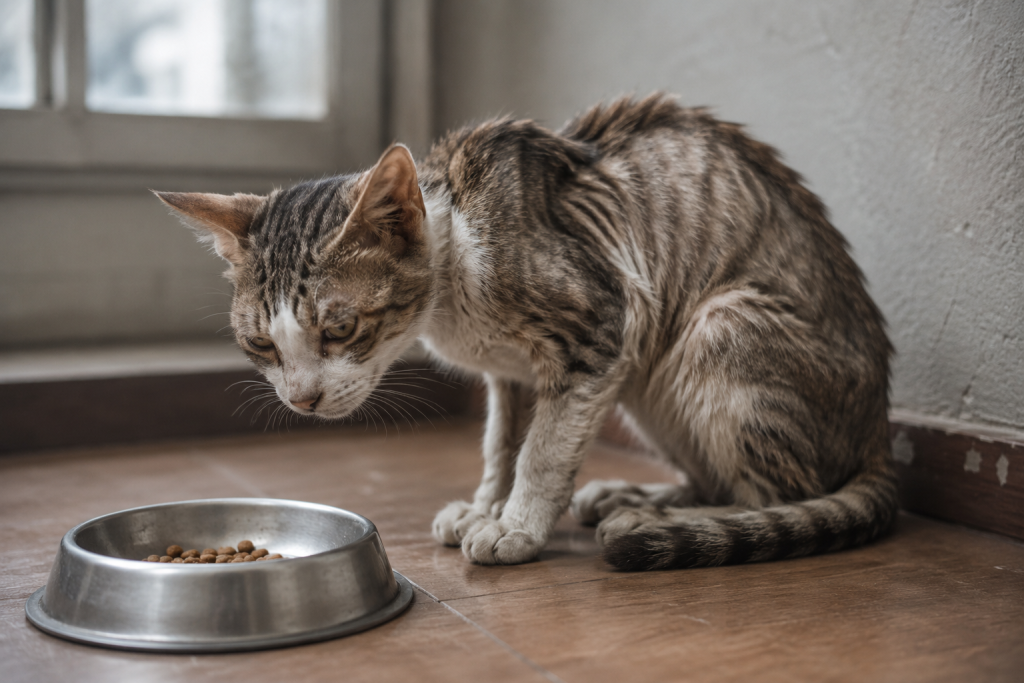
What to Do If Your Cat Has Not Eaten for More Than a Day
If your cat has not eaten for more than a day, it is better not to keep waiting and hoping that the appetite will return on its own. Cats need regular nutrition, and going without food for too long can become a serious concern. Even if your cat is still walking around or behaving normally, a continued lack of appetite can sometimes be a sign of an underlying health problem.
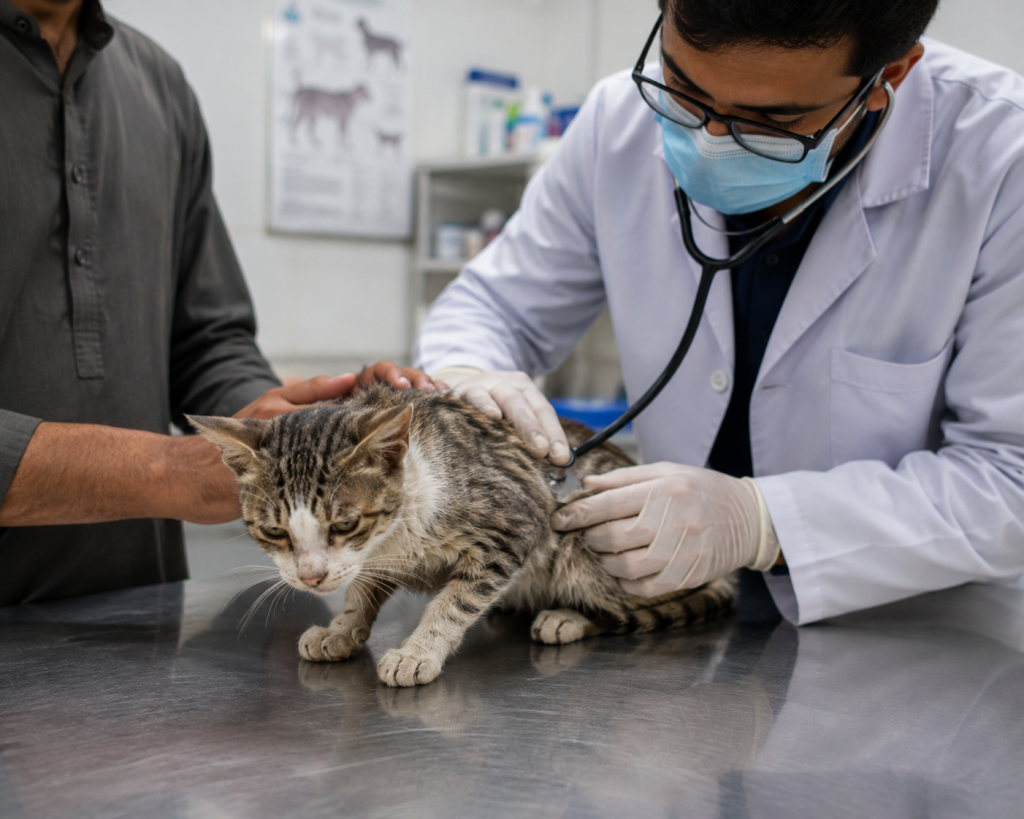
At this point, the safest step is to contact a veterinarian and have your cat checked. A veterinarian can examine your cat and look for possible causes such as dental pain, digestive problems, infection, stress, or another health condition. Finding the reason early can make it easier to provide the right treatment.
You should be especially quick to seek veterinary help if your cat is not eating and also has symptoms such as vomiting, diarrhea, weakness, difficulty breathing, excessive hiding, or refusing water. These signs can indicate that your cat needs more immediate attention.
While waiting to speak with the veterinarian, you can keep fresh water available and offer your cat its usual favorite food in a quiet and comfortable place. However, do not force-feed your cat or give human medicine without veterinary advice. If your cat has gone more than a day without eating, getting professional advice is the safest choice rather than trying to treat the problem yourself.
Frequently Asked Questions(FAQ)
Why is my cat not eating but drinking water?
If your cat is drinking water but refusing food, there can be several possible reasons, including stress, dental pain, nausea, or another health problem. If the loss of appetite continues, it is best to speak with a veterinarian.
How long can a cat go without eating?
Cats should not be left without food for an extended period. If your cat has not eaten for more than a day, contact a veterinarian, especially if your cat is showing other unusual symptoms.
What can I give my cat if it is not eating?
You can try offering your cat its usual favorite food in a quiet and comfortable place. Some cats may be more interested in strongly scented wet food. However, if your cat continues refusing food, do not rely only on home remedies and seek veterinary advice.
Should I worry if my cat skips one meal?
Skipping one meal does not always mean there is a serious problem, but you should watch your cat closely. If your cat continues refusing food or develops other symptoms such as vomiting, diarrhea, weakness, or unusual behavior, contact a veterinarian.
Can stress cause a cat to stop eating?
Yes, stress can affect a cat’s appetite. Moving to a new home, introducing a new pet, visitors, loud noises, or changes in routine can make some cats lose interest in food. Giving your cat a quiet and familiar environment may help reduce stress.
Conclusion
If your cat is not eating, there is no need to panic immediately. Cats can sometimes lose interest in food because of stress, a change in their food, their surroundings, or other temporary reasons. However, it is important to keep an eye on your cat and notice whether the lack of appetite continues or if other unusual symptoms appear.
If your cat starts eating again after a short time and is otherwise active and behaving normally, you can continue to monitor its eating habits. Keep fresh water available and make sure your cat has a quiet, comfortable place to eat.
However, if your cat continues refusing food for more than a day, or you notice symptoms such as vomiting, diarrhea, weakness, unusual hiding, pain, or refusing water, don’t ignore it. The safest option is to have your cat checked by a veterinarian so the real cause can be found and treated properly.
Remember, you know your cat’s normal behavior better than anyone. If something seems unusual or your cat simply does not seem like itself, it is always better to take the situation seriously and ask a veterinarian for professional advice rather than waiting for the problem to become worse.




Comments