
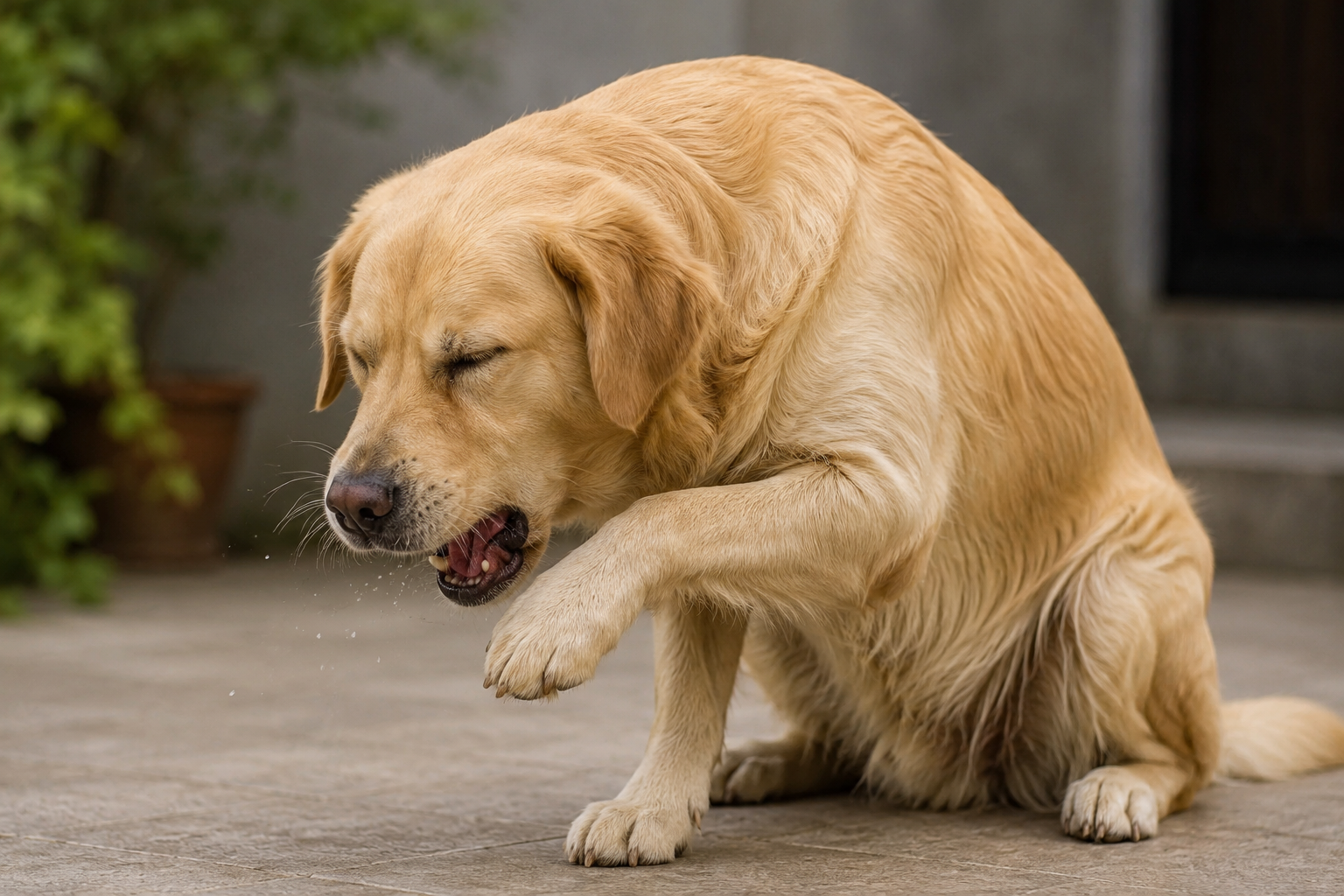
Is your dog coughing and you are wondering if it is nothing to worry about or something serious? A cough here and there is not always cause for concern, but a persistent cough should never be dismissed. Kennel cough, allergies, heart disease or an object stuck in your dog’s throat?
The sound, frequency and timing of your dog’s cough can provide you with important clues as to what is really going on. But how do you know when a cough is normal and when it needs to be checked by a vet immediately?
The sound, frequency and timing of your dog’s cough can provide you with important clues as to what is really going on. But how do you know when a cough is normal and when it needs to be checked by a vet immediately?
In this article, you’ll learn about the 10 most common causes of dog coughing, warning signs every pet owner should be aware of, treatment options and exactly when to see a veterinarian.
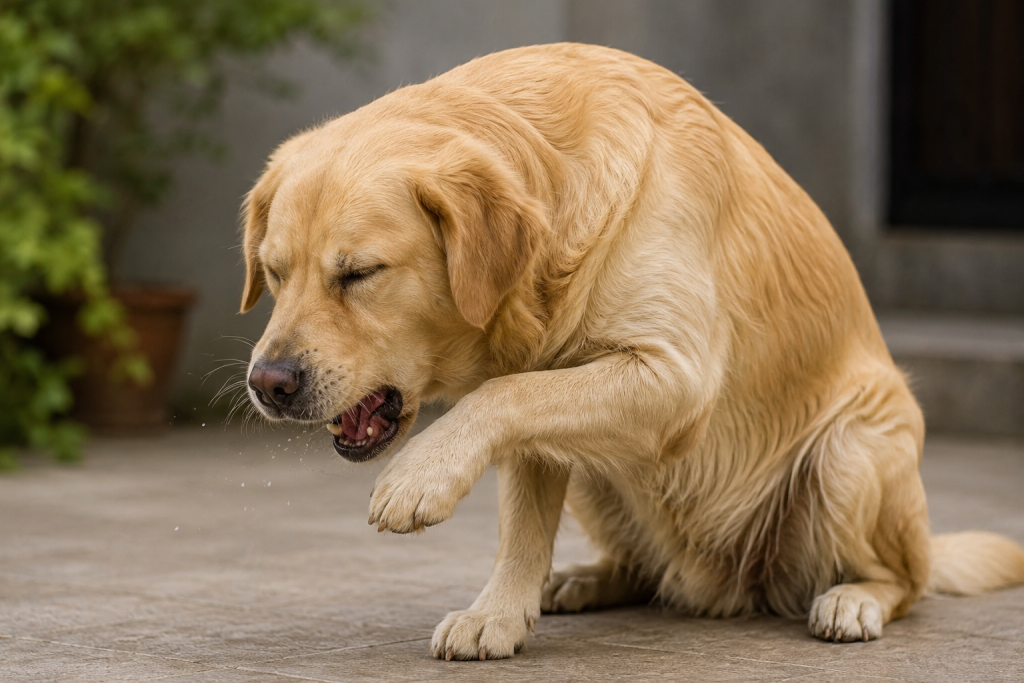
Is It Normal for Dogs to Cough?
Yes, but only under certain circumstances.
An occasional cough doesn’t necessarily mean your dog is sick. Dogs may cough to clear their throat, just like humans do. They may have drunk too fast, inhaled dust, or got too excited while playing. In these cases the cough is usually short-lived, only happening once or twice, and your dog returns to normal quickly.
But never ignore a cough that occurs often, lasts a long time or is accompanied by other symptoms. Because dogs can’t tell us when something is amiss, a cough is often one of the first signs that an underlying health problem may be developing. There are many reasons for coughing, from a simple respiratory infection to heart disease or a collapsing trachea.
According to the American Kennel Club (AKC), while an occasional cough may not be a cause for concern, a persistent cough, particularly when accompanied by breathing difficulties, lethargy, loss of appetite or a runny nose, should be a cause for concern and you should visit your veterinarian.
The Merck Veterinary Manual experts also note that chronic coughing is a clinical sign and not a disease in its own right, and the underlying cause must be identified before treatment can commence.
- It can be considered normal for your dog to cough when:
- Coughs a couple of times and stops right away.
- He chokes on his water because he drinks it too fast.
- Short coughs in spasm after running, play or excitement
- No other symptoms like fever, tiredness, vomiting or breathing difficulty.
- Continues to eat, drink, sleep and behave normally.
A cough may be caused by an underlying condition if your dog:
- Has persistent coughing for more than 24-48 hours
- Has dry, hacking, or honking noises coming from his airway or throat and it occurs frequently and persistently
- Has coughed up any mucus, expectorated any foam, or coughed up blood
- Struggles to breathe or has rapid breathing
- Loses appetite or is listless
- Has a fever, or runny nose
- Coughs primarily at night or after only a small amount of activity
- Is a young dog, an older dog, or has a history of heart or lung disease.
Every cough has a story. Knowing when your dog has a cough and what accompanies the cough can help your vet determine, with more accuracy and less time, what is causing your dog’s cough
10 Common Causes of Dog Coughing
Dogs can cough for many different reasons, ranging from minor throat irritation to serious heart or lung conditions. Understanding the possible causes can help you recognize warning signs early and determine when your dog needs veterinary care. Below are the ten most common reasons why dogs develop a cough.
1. Kennel Cough
A respiratory infection that is very contagious and usually affects dogs that are confined to a particular environment like kennels, dog parks and doggy day care centers.
2. Allergies
These include environmental allergies like pollens, dust, mold and even smoke which irritates the airways of the dog making it cough.
3. Collapsing Trachea
This is a disorder where the trachea loses its strength and narrows down to cause a honking type of cough, especially among small dog breeds.
4. Heart Diseases
Some kinds of heart diseases lead to fluid retention in the lungs, leading to coughing problems.
5. Pneumonia
Pneumonia refers to the inflammation of the lungs due to an infection that leads to coughing as well as other symptoms like fever and tiredness.
6. Canine Influenza
A disease caused by viruses that affect the respiratory tract causing cough, sneeze, and discharges from the nose.
7. Object in the Throat
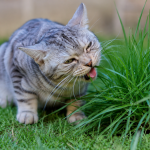
Objects like grass, bones, and sticks might get stuck in the throat and lead to coughing and choking.
8. Heartworm Disease
The presence of heartworms in the body leads to the development of complications such as coughing and weakness.
9. Chronic Bronchitis
The condition where there is inflammation of the airway passages leading to coughing, particularly common in middle-aged and older dogs.
10. Tumors in the Lungs
It is a rare case where tumors can develop in the lungs and result in coughing and loss of weight.
When to Worry: Signs Your Dog Needs Immediate Veterinary Care
How To Tell When It Is Time To See Your Vet: Signs That Your Dog Requires Emergency Veterinary Care
A cough from your dog is not necessarily anything to worry about but in some cases it can be life threatening. In cases where your dog is continuously coughing, the coughing is particularly bad or your dog shows other signs of sickness you should immediately take your dog to see the vet. This is because your dog may have an illness that needs to be treated quickly and taking your dog to see the vet can increase the likelihood that your dog will recover from the condition.
If your dog is finding it difficult to breathe, if your dog is coughing up blood or mucus, if your dog has pale or blue gums, if your dog is extremely lethargic, if your dog is refusing to eat or drink, if your dog has been coughing for over a day or two or if your dog is a little dog, a dog or a dog that has had heart or lung conditions in the past you need to call your vet immediately.
It is important to remember that coughing is just a symptom—it does not mean your pet has a certain illness. Determining the cause will help your pet be treated correctly.
If your cat has been sneezing instead of coughing, you may also find our guide helpful: Why Is My Cat Sneezing? Common Causes, Warning Signs, and When to See a Vet.
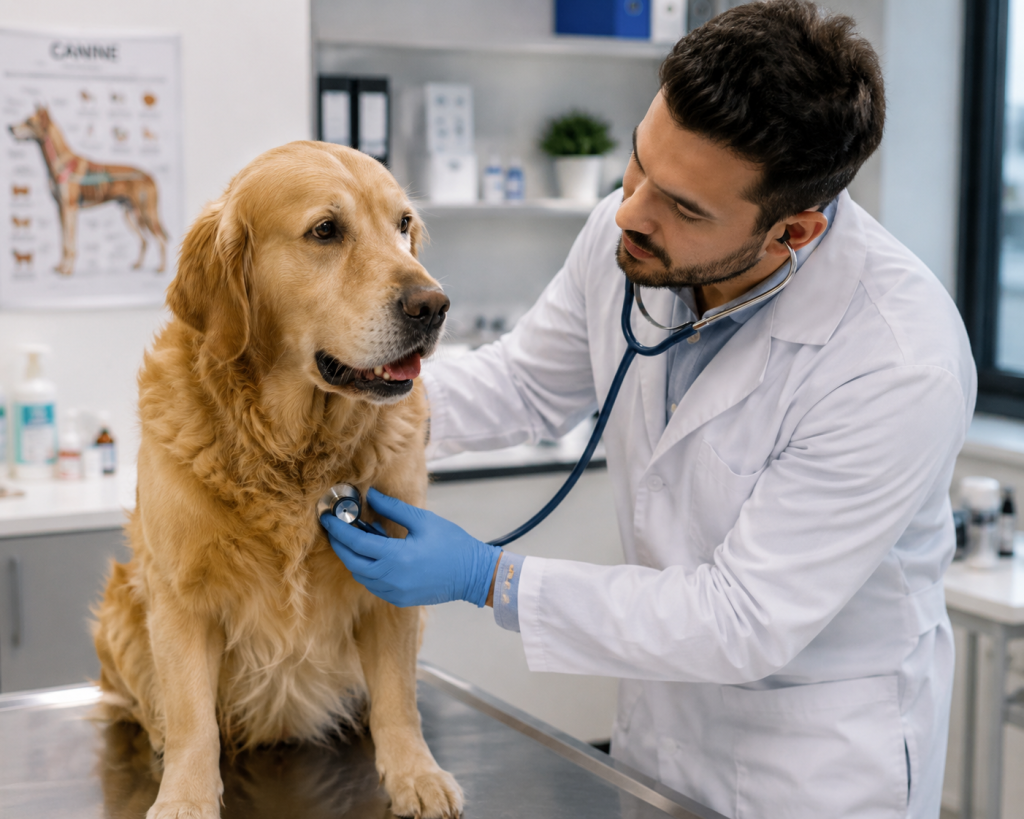
Treatment and Prevention of Dog Coughing
Treat the Underlying Cause, Not Just the Cough
The treatment for a dog’s cough should always focus on the underlying cause rather than simply relieving the symptom. While mild cases may improve with rest and supportive care, persistent or severe coughing requires a proper veterinary diagnosis to ensure the correct treatment and reduce the risk of future complications
Treatment Options for Different Causes of Dog Coughing
Treatment varies depending on the condition affecting your dog. Bacterial infections may require antibiotics, while allergies and airway inflammation are often managed with anti-inflammatory or anti-allergy medications. Dogs with heart disease may need heart medications, and conditions such as collapsing trachea or chronic bronchitis often require long-term management. If a foreign object is lodged in the airway, it should be removed by a veterinarian. Keeping your dog well hydrated and allowing adequate rest can also support recovery.
How to Help Prevent Dog Coughing
Many causes of dog coughing can be prevented through good preventive care. Keeping your dog’s vaccinations up to date, avoiding contact with dogs that have respiratory infections, using monthly heartworm prevention, maintaining a healthy weight, and scheduling regular veterinary checkups can significantly lower the risk of respiratory and heart-related diseases. For dogs with tracheal problems, using a harness instead of a neck collar can also help reduce pressure on the airway
Avoid Giving Human Cough Medicine
Never give your dog over-the-counter human cough medicine or other medications unless your veterinarian specifically recommends them. Some medicines that are safe for people can be toxic to dogs, and using the wrong medication may delay proper treatment or make the condition worse.
Conclusion
Cough in Dogs May Not Always Mean That Your Pet Is Suffering From an Illness but Ignoring It Is Not Advisable
A dog does not need to suffer from any illness to cough, but a dog’s cough should never be ignored, particularly if the coughing persists or if the dog exhibits other symptoms. There might be cases wherein your dog would only occasionally cough either due to irritation of his throat, due to excitement, or due to inhaling dust; however, coughing may also indicate that your pet is suffering from any one of the following illnesses:
Key Takeaways
- A single episode of coughing can occur at times, but recurring coughing is not.
- There are certain conditions like kennel cough, allergies, heart conditions, and collapsing trachea which cause dog coughing quite often.
- The symptoms to look out for would include difficulty breathing, coughing blood, loss of appetite, and excessive lethargy.
- The treatment would vary depending on the cause of the problem.
- Medicines meant for humans to cure cough should only be used after a vet recommends them.
- Vaccinations, proper prevention from heartworms, regular checkups, and proper lifestyle can prevent several conditions that might lead to coughing problems.
If one understands the potential causes, learns to identify the symptoms and goes to the vet when necessary, they can ensure their pet stays healthy. It is better to err on the side of caution and visit the vet when unsure than risk making the situation worse.
Written by Haseeb Khan
Founder of AniLover.com | Pet Care Writer



Comments