
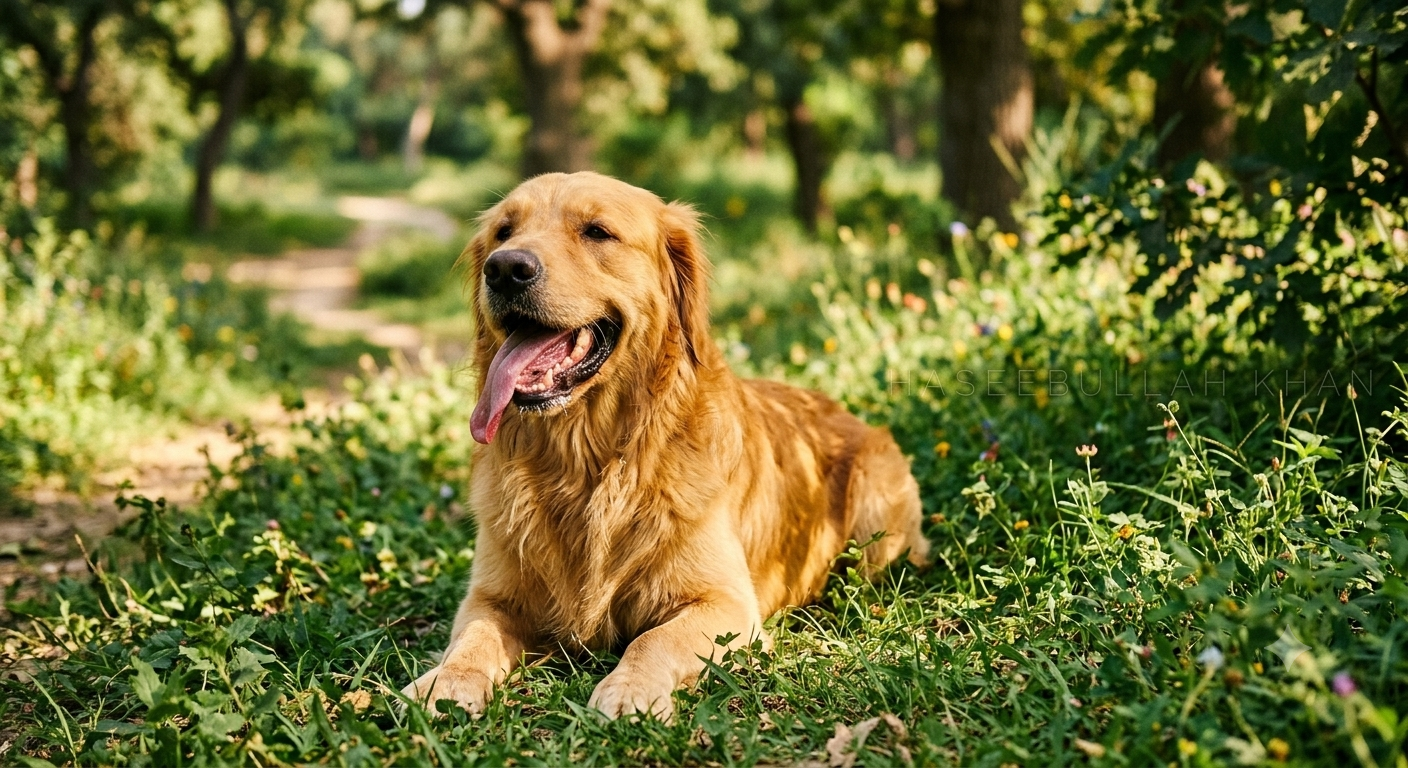
One day, I saw a dog panting heavily with its mouth wide open and its tongue hanging out. At first, I didn’t think much about it. I assumed it was just because of the heat. But after watching the dog for a while, I started wondering if there was something more to it. Do dogs only pant when they’re hot? Could the dog be stressed, tired, or even sick? How can you tell if panting is normal or a sign that something is wrong?
Instead of making my own guesses, I decided to ask a veterinarian. I expected a simple answer, but that wasn’t what happened. Before explaining anything, the vet asked me a few questions. Was the dog playing or exercising before it started panting? Was the weather hot? How long had the panting been going on? Was the dog eating, drinking, and behaving normally? That’s when I realized there isn’t one answer that fits every situation. Sometimes panting is completely normal, but other times it can be an early warning sign that dog owners shouldn’t ignore.
If you’re here because you searched “Why is my dog panting?”, you’re probably asking the same questions. The good news is that panting is often a natural way for dogs to cool themselves down. However, excessive or unusual panting can sometimes point to a health problem that needs attention.
In this article, we’ll look at the most common reasons why dogs pant, how to tell the difference between normal and excessive panting, and when it’s time to contact a veterinarian
Is It Normal for Dogs to Pant?
Panting is a dog’s natural way of cooling down. Unlike humans, dogs can’t sweat through most of their skin. Instead, they release heat by breathing faster with their mouths open and their tongues hanging out. That’s why you’ll often see a dog panting after running, playing, or spending time in warm weather.
So, why do dogs pant? The simple answer is that panting helps regulate their body temperature. It also happens when a dog is excited, nervous, or has just finished exercising. According to many veterinarians, panting is one of the body’s normal ways of preventing a dog from overheating. In most situations, it’s nothing to worry about.
However, panting isn’t always normal. If your dog starts panting heavily without exercising, continues panting in a cool environment, or shows other signs like weakness, vomiting, coughing, or trouble walking, it could be a warning sign of an underlying health problem. So, how can you tell the difference between normal panting and something more serious? That’s exactly what we’ll cover in the next section, where we’ll look at the most common reasons why dogs pant.
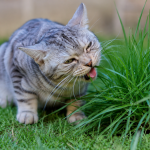
If you’ve noticed other unusual behaviors besides panting, you might find these guides helpful as well. If your dog has started eating grass, read our article on Why Is My Dog Eating Grass?. If your dog is coughing or making unusual breathing sounds, check out Why Is My Dog Coughing? for possible causes and when you should be concerned.
The 10 Most Common Reasons Why Dogs Pant:
According to Veterinarians:
1. Hot Weather
Hot weather is one of the most common reasons dogs pant. Since they can’t sweat like humans, panting helps release excess body heat and keeps their temperature under control
2. Exercise
After running, playing, or any physical activity, it’s completely normal for a dog to pant. As your dog rests and cools down, the breathing should gradually return to normal.
3. Excitement
Excitement can also make a dog pant more than usual. Whether it’s playtime, meeting new people, or seeing their favorite owner, this type of panting usually stops once they calm down.
4. Stress or Anxiety
Fear, stress, or anxiety can also cause panting. Loud noises, car rides, unfamiliar places, or visits to the veterinarian are common situations where this may happen.
5. Pain
Pain is another possible cause of excessive panting. Even without exercise or hot weather, a dog may start panting if it’s uncomfortable. If the panting begins suddenly, watch for other signs that may indicate pain
6. Fever
Just like people, dogs can develop a fever when they’re sick. Panting may help them cool down, but it can also be a sign that their body is fighting an illness.
7. Heart Disease
Some heart conditions make it harder for dogs to get enough oxygen. As a result, they may pant more often, even while resting or doing very little activity.
8. Lung Problems
Respiratory conditions affecting the lungs or airways can make breathing more difficult. In these cases, panting may be accompanied by coughing or trouble breathing.
9. Heatstroke
Heatstroke is one of the most serious causes of excessive panting. If your dog is panting heavily, seems weak, or collapses after being in the heat, seek veterinary care immediately.
10. Other Medical Conditions
Certain medical problems, such as hormonal disorders, obesity, or medication side effects, can also lead to increased panting. If the cause isn’t obvious, a veterinary examination is the best way to find the reason.
When Is Dog Panting Not Normal?
Dogs pant for many normal reasons, but there are times when it shouldn’t be ignored. According to veterinarians, panting becomes a concern when it starts without an obvious reason, lasts much longer than expected, or is accompanied by other unusual symptoms. Knowing these warning signs can help you decide when it’s time to contact a veterinarian.
Signs That Your Dog’s Panting May Not Be Normal
- Your dog keeps panting even after resting in a cool and quiet place.
- The panting starts suddenly without exercise, excitement, or hot weather.
- Your dog seems weak, tired, or unwilling to move.
- Panting is combined with coughing, vomiting, or difficulty breathing.
- The gums look pale, blue, or very dark red.
- Your dog appears confused, collapses, or struggles to stand.
- The panting becomes louder or much heavier than usual.
- The behavior continues for a long time instead of gradually improving.
If you notice one or more of these signs, don’t ignore them. While the cause may be minor, unusual panting can also be linked to serious conditions such as heatstroke, heart disease, or breathing problems. When in doubt, it’s always safer to have your dog examined by a veterinarian.
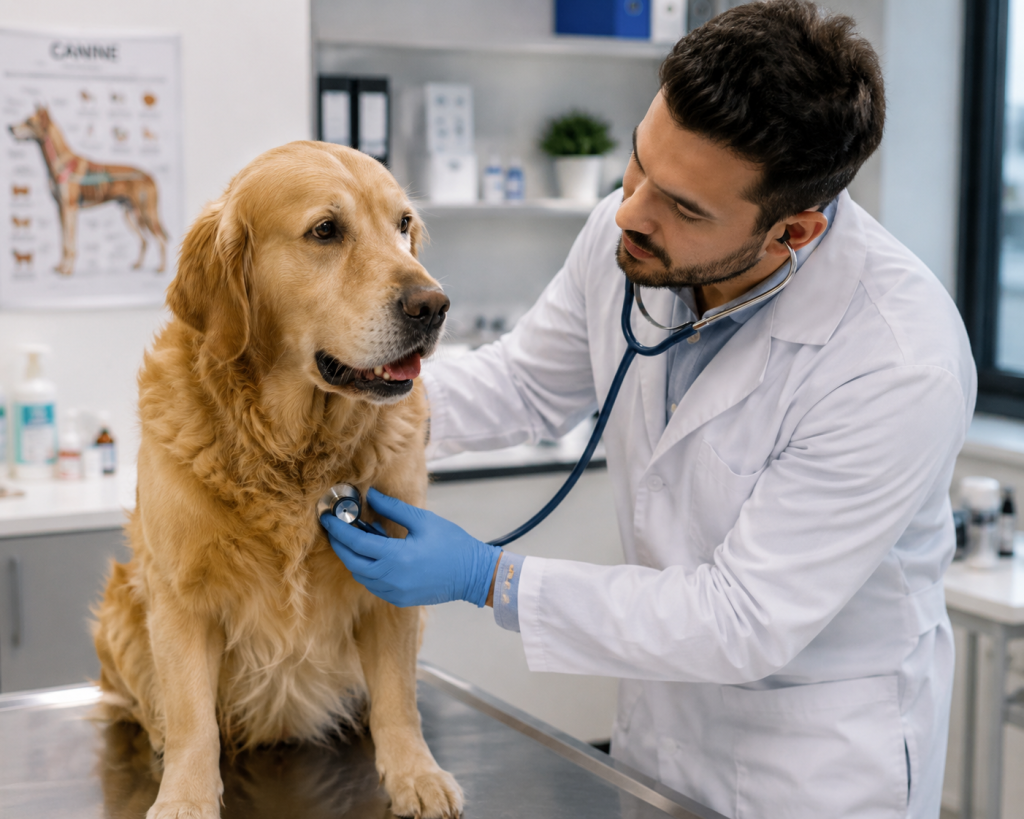
What Should You Do If Your Dog Is Panting Excessively?
If your dog is panting more than usual, don’t panic. The first thing you should do is look at the situation. Has your dog just finished playing? Is the weather hot? Or is the panting happening for no obvious reason? Sometimes the answer is simple, but it’s always worth taking a closer look.
Move your dog to a cool, quiet place and make sure fresh drinking water is available. If the panting started after exercise or being outside in the heat, allow your dog to rest for a while. In many cases, the breathing should gradually return to normal once your dog has cooled down.
However, if the panting continues, becomes heavier, or is accompanied by signs such as weakness, vomiting, coughing, difficulty breathing, or collapse, don’t wait too long. According to veterinarians, these symptoms can sometimes indicate a more serious health problem that requires immediate medical attention.
When you’re unsure whether your dog’s panting is normal or not, it’s always better to contact your veterinarian. A quick check-up can help identify the cause early and ensure your dog gets the right treatment before the condition becomes more serious.
Frequently Asked Questions (FAQs)
Why is my dog panting while resting?
If your dog is panting while resting, it could be due to heat, stress, pain, or an underlying health condition. If the panting continues without an obvious reason, it’s best to contact a veterinarian.
Is it normal for dogs to pant at night?
Sometimes, yes. Dogs may pant at night because of warm temperatures, excitement, or anxiety. However, frequent or heavy panting at night should be checked by a veterinarian.
Why is my dog panting but not hot?
If your dog isn’t hot and hasn’t been exercising, panting may be caused by stress, pain, medication, or a medical condition. Monitor your dog closely and seek veterinary advice if it continues.
Can anxiety cause panting in dogs?
Yes. Anxiety, fear, loud noises, thunderstorms, fireworks, or unfamiliar environments can all cause dogs to pant more than usual.
When should I take my dog to a veterinarian?
You should contact a veterinarian if your dog keeps panting after resting, has difficulty breathing, seems weak, collapses, or shows symptoms such as vomiting, coughing, or pale gums.
Which dog breeds pant more than others?
Flat-faced breeds like Pugs, Bulldogs, and Boxers often pant more because their shorter airways make it harder for them to cool themselves, especially in warm weather.
Conclusion
If you’ve been wondering, “Why is my dog panting?”, the answer isn’t always as simple as it seems. In many cases, panting is completely normal and helps dogs cool themselves after exercise, during hot weather, or when they’re excited. However, as you’ve learned throughout this article, excessive panting can sometimes be a sign of stress, pain, illness, or another underlying health condition.
The most important thing is to pay attention to your dog’s overall behavior rather than focusing only on the panting. Ask yourself a few simple questions. Has your dog been playing? Is the weather hot? Is the panting getting better after rest, or is it becoming worse? Looking at the full picture can help you understand whether your dog’s panting is normal or something that needs medical attention.
Remember, every dog is different. Some dogs naturally pant more than others because of their breed, age, or activity level. That’s why it’s helpful to know what’s normal for your own dog. Any sudden or unusual change in breathing should never be ignored, especially if it’s accompanied by symptoms like weakness, coughing, vomiting, or difficulty breathing.
As responsible dog owners, we can’t always prevent every health problem, but we can recognize the early warning signs and act quickly. Providing fresh water, avoiding extreme heat, giving your dog enough time to rest, and seeking veterinary advice when needed are simple steps that can make a big difference.
I hope this guide has helped you better understand why dogs pant, when it’s considered normal, and when you should be concerned. If you found this article helpful, you may also want to read our other dog care guides to learn more about keeping your furry friend happy, healthy, and safe every day.
Written by Haseeb Khan
Founder of Anilover.com | Pet Care Writer
Comments